
How to Light a Cigar: A Step-by-Step Guide (Torch, Match or Cedar Spill)
Updated: 21 hours ago

Quick answer: To light a cigar, toast the foot (the open end) by holding a flame about half an inch to an inch below it, without letting the flame touch the tobacco, while slowly rotating the cigar until the whole foot glows evenly. Then draw gently, keep rotating as you puff, and touch up any dark spots. A butane lighter, a sulfur-free wooden match or a cedar spill gives the cleanest flavour.
Lighting is the step beginners rush most, and it shapes the first third of the cigar: a careless light can scorch the wrapper, cause an uneven burn and leave a bitter taste. This guide walks through the technique, compares the tools and explains what to look for in a lighter. Before you start, make sure the cigar has a clean cut; see our guide on how to cut a cigar. Cigars are intended for adults of legal smoking age only.
What You Need to Light a Cigar
A clean, fresh cut: the head must be open before you light so air can flow through the cigar.
A suitable flame: a butane lighter, a sulfur-free wooden match or a cedar spill (compared below).
A well-stored cigar: a cigar that has dried out burns hot and fast. Here is how to store cigars properly.
An ashtray with cigar rests: so you can set the cigar down between puffs, such as the Lubinski Square Cigar Ashtray.
How to Light a Cigar: 6 Steps
Cut the head. Make a clean cut or punch so the cigar draws freely.
Pick your flame. A torch lighter is quick and windproof; a soft flame, match or cedar spill is gentler. Whichever you choose, avoid anything that gives off fumes, such as a candle or a fuel-based lighter.
Toast the foot. Hold the cigar at roughly 45 degrees, not yet in your mouth. Keep the flame just below the foot without touching it and rotate the cigar slowly until the tobacco darkens and begins to glow around the edge.
Light and draw gently. Bring the cigar to your lips and take slow, soft puffs while you keep rotating it and hold the flame close, but not on the tobacco, until the foot catches evenly.
Check and touch up. Look at the foot: it should be lit all the way across. Any dark or unlit patches can be touched up with a quick pass of the flame.
Purge and settle in. Many smokers gently exhale through the cigar once it is lit to clear away lighter or match gases, then continue with slow, steady puffs, resting between draws so the cigar does not overheat.
Tip: angle the cigar, not the lighter. A torch flame always burns straight up, so tilting the lighter mostly moves the flame toward your fingers.

Torch, Soft Flame, Match or Cedar Spill: Which Is Best?
Cigar smokers do not fully agree on this, and there is no single right answer. What matters is that the flame is clean and that you keep it from scorching the foot.
Butane torch (jet flame): fast, precise and windproof, which makes it the most popular choice today. The trade-off is heat, so hold it farther from the cigar and keep it moving to avoid charring the wrapper.
Soft-flame butane lighter: a cooler, yellow flame that is slower but gentler on the foot. Many smokers like it for a more forgiving light.
Sulfur-free wooden matches: a traditional choice. Let the sulfur burn off the head first and use long cigar matches rather than strike-anywhere matches.
Cedar spills: thin strips of cedar, often found in cigar boxes. Light one from a match or lighter, then use it to light the cigar. Aromatic, but not very portable.
Avoid: candles, paper matches and fuel-based (naphtha) lighters, which can leave a chemical taste in the cigar.
What to Look for in a Cigar Lighter
If you are choosing a lighter, these features matter most:
Refillable butane: butane burns clean and does not add flavour. Follow the manufacturer's instructions when refilling.
Number of jets: a single flame gives precision, while two, three or four jets toast a wider foot faster, which helps with larger ring gauges (see our cigar shapes and sizes guide).
Adjustable, windproof flame: lets you tone down the heat and light outdoors.
Extras: a built-in punch or a flip-top cap saves carrying another tool.
A few options we carry, by use:
Simple and precise: Jobon Single Flame Cigar Torch Lighter
Wider, faster toast: Jobon Triple Jet Slim Cigar Lighter
Lighter with a built-in punch: Lubinski Torch Lighter with Flip-Top & Punch
Four-jet premium pick: Lubinski Quad Flame Cigar Torch Lighter
Budget-friendly: Jobon Red Butane Torch Lighter
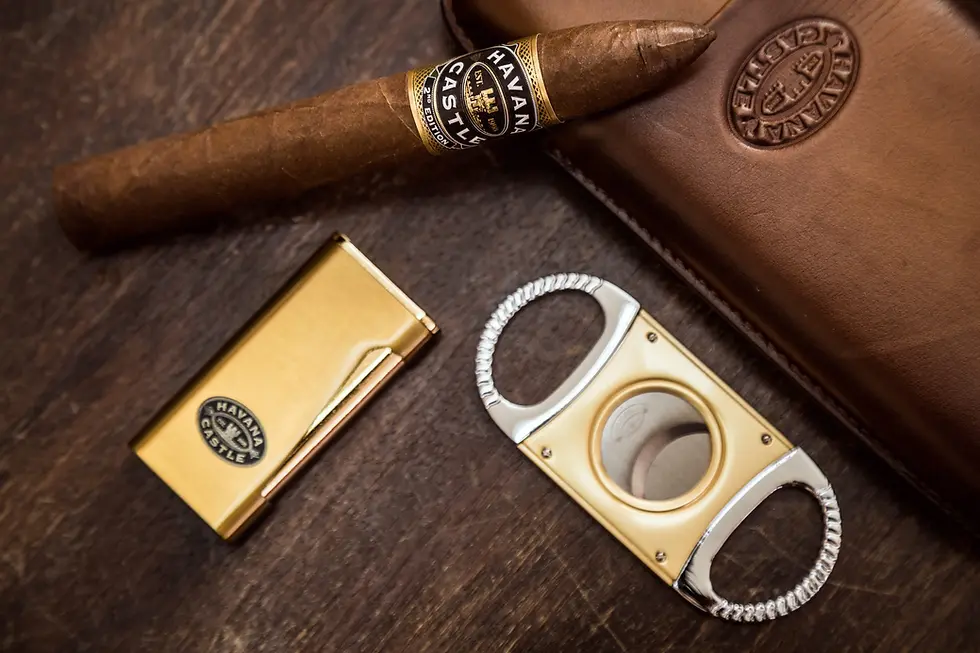
Lighter and cutter together: Lubinski 2-Piece Cigar Gift Set
A reliable cutter to pair with any of them: Guevara Double Blade Cutter
Common Cigar Lighting Mistakes
Touching the flame to the cigar: it scorches the wrapper and can make the first puffs harsh. Keep the flame just off the tobacco.
Lighting it like a cigarette: puffing hard with the flame on the tip is the quickest way to an uneven burn.
Skipping the toast: toasting prepares the foot so the whole cigar lights evenly.
Ignoring a lopsided burn: if one side burns faster, rotate the cigar and touch up the side that is lagging.
Smoking too fast: a hot cigar tastes bitter. Slow down and let it rest between puffs.
Cigar Lighting FAQ
Which end of a cigar do you light?
You light the foot, which is the open, uncut end. The other end, the head, is the one you cut or punch and put in your mouth.
How long should you toast a cigar?
There is no fixed time. Toast the foot, rotating slowly, until the whole surface has darkened and glows evenly. Larger ring gauges and softer flames take longer, so watch the cigar rather than the clock.
Can I use a regular lighter to light a cigar?
A clean-burning butane lighter works, whether it is a torch or a soft flame. Avoid candles, paper matches and fuel-based lighters, because they can leave unwanted flavours in the cigar.
Is a torch lighter better than a soft-flame lighter?
Neither is universally better. A torch lighter is fast and windproof, but it burns hotter, so keep it a little farther from the foot. A soft flame is gentler but slower and struggles in wind. Choose based on where you usually smoke.
Can you relight a cigar that went out?
Yes. If a cigar goes out while you are smoking it, gently blow through it to clear the stale smoke, toast the foot again and relight. If it has been out for a long time, the flavour may be harsher.
What is tunnelling and how do I fix it?
Tunnelling is when the centre of the cigar burns faster than the wrapper, leaving a hollow channel. Rotate the cigar and touch up the side that is lagging with your flame until the burn evens out.
Get the Right Tools at Havana Castle Cigars
Havana Castle Cigars has served Canadian cigar smokers since 1998. Browse our lighters, cutters, ashtrays and gift sets online, or visit a store and ask the team to help you match a lighter and cutter to the cigars you smoke. New to all of this? Start with our beginner's guide to premium cigars in Canada, or use our Ontario cigar shop guide to find a location.

Comments